
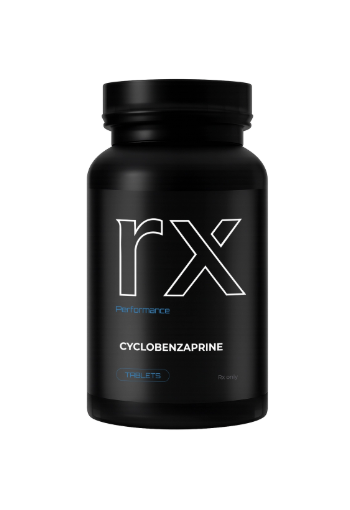
Description
Benefits
- Centrally reduces excessive muscle signaling, helping to relax involuntary muscle contraction
- Helps decrease muscle tension associated with acute musculoskeletal conditions
- Supports improved comfort and mobility during short-term recovery periods
- Long half-life allows for sustained effect across the dosing interval
- Non-opioid option for managing muscle-related discomfort
- Well-established medication with decades of clinical use
Background and History
- Developed in the 1960s during research into tricyclic compounds
- Structurally related to tricyclic antidepressants, which informs its central mechanism of action
- First approved for medical use in the United States in the late 1970s
- Designed specifically to target skeletal muscle spasm via central nervous system pathways
- Has remained one of the most commonly prescribed muscle relaxants in outpatient settings
- Widely studied with a long track record of clinical familiarity among providers