
Description
Benefits
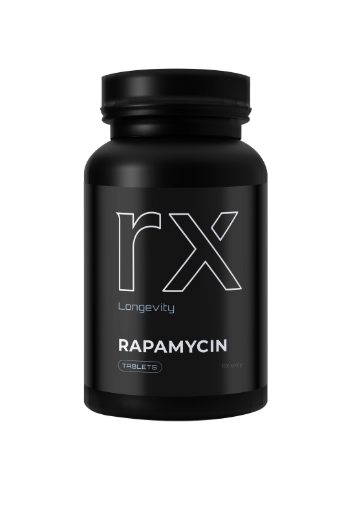
- Modulates the mTOR pathway, a central regulator of aging biology
- Supports cellular maintenance, repair, and stress resilience
- May promote autophagy, the body’s cellular cleanup process
- Commonly used in longevity-focused protocols aimed at health span
- Supports metabolic efficiency and cellular signaling balance
- Studied for its role in age-related disease risk modulation
Background and History
- Rapamycin was originally discovered in soil bacteria on Easter Island (Rapa Nui)
- It was developed for its immunomodulatory properties via mTOR inhibition
- mTOR was later identified as a master regulator of aging and nutrient sensing
- Animal studies demonstrated lifespan extension across multiple species
- These findings sparked interest in rapamycin for human longevity research
- Today, it is actively studied and used in clinician-guided longevity and aging-science protocols